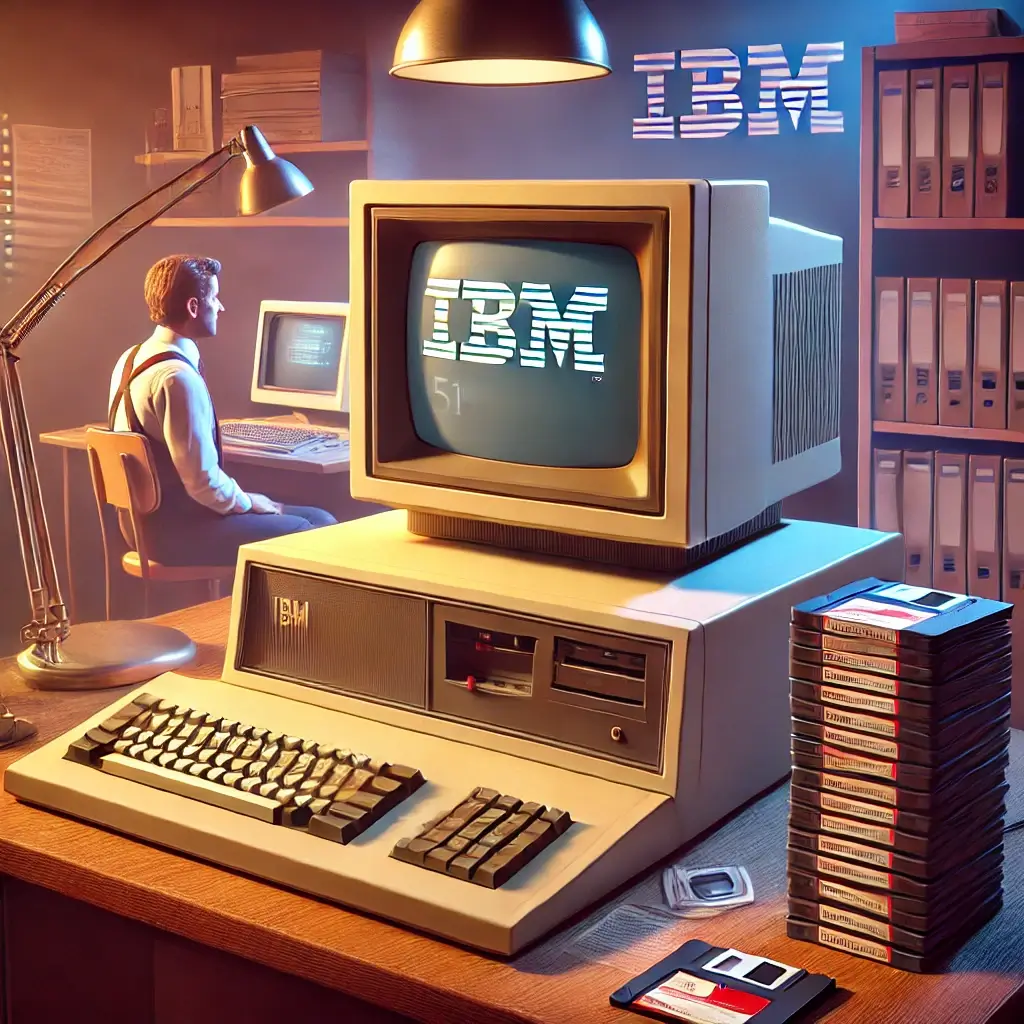
Overview of the Event
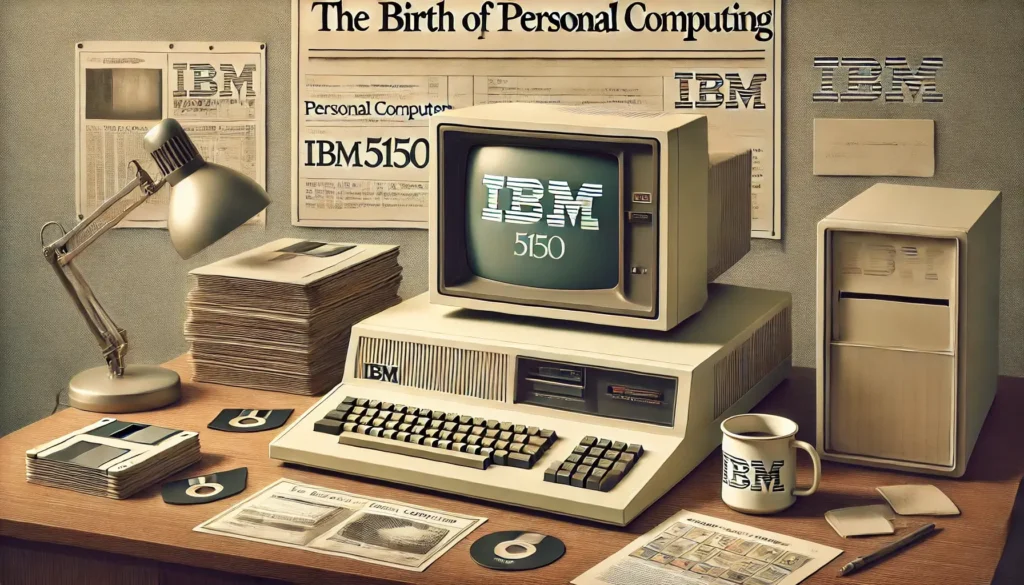
On August 12, 1981, the historic launch of the IBM Personal Computer (PC) model 5150 marked a groundbreaking moment in the evolution of personal computing. This landmark event revolutionized the computer industry by introducing a machine that was not only innovative in design but also accessible to both businesses and consumers. The IBM PC’s debut set the stage for an entirely new era, where personal and business computing began to merge, ultimately transforming the way we work and communicate.
For an in-depth look at this pivotal moment, refer to the detailed information available on Wikipedia and Britannica.
Significance
The launch of the IBM PC was a transformational breakthrough that reshaped the landscape of computer design. By introducing a system built on open architecture, IBM fostered an ecosystem of compatible hardware and software, which in turn spurred rapid innovation in the technology sector. This event was pivotal for future advancements and played a crucial role in the growth of the software industry. Its legacy continues to influence modern computing, demonstrating the power of collaboration between innovative technology and business strategy.
Debut of the IBM PC
Introduction to the IBM PC 5150
The release of the IBM PC 5150 signified IBM’s bold entry into the personal computer market. Developed in Boca Raton, Florida, by a team led by William C. Lowe and Philip Don Estridge, the IBM PC was designed to bring computing power to the masses. This innovative machine, powered by an Intel 8088 processor and running on Microsoft’s MS-DOS operating system, quickly set itself apart with its expandable memory and versatile functionality. Its user-friendly design and robust performance not only redefined expectations for personal computers but also established a new industry standard that competitors would strive to emulate.
For further details on the development and impact of the IBM PC 5150, check out the comprehensive overview on Wikipedia.
Key Features and Specifications
Hardware Specifications
- Processor:
The IBM PC was powered by an Intel 8088 processor, a critical component that provided the computing power needed to handle complex operations.
Learn more at Computer History Museum. - Operating System:
The system ran on Microsoft’s MS-DOS, which was instrumental in making the computer accessible and easy to use for both businesses and consumers. - Memory:
It came with 16 KB of RAM as a base configuration, which was expandable to 256 KB—a significant feature at the time that allowed for enhanced performance. - Price:
The IBM PC was introduced at an accessible price of $1,565, which included a Color Graphics Adapter and a keyboard, making it an attractive option in the burgeoning personal computer market.
See detailed specifications on Computer Hope.
Design and Configuration
- The design of the IBM PC quickly became a popular standard for personal computers, largely due to its user-friendly interface and adaptability.
- Its modular design allowed for easy upgrades and compatibility with a wide range of hardware and software, which in turn spurred the growth of a robust ecosystem of compatible devices.
- This innovative design not only made it easier for businesses to integrate computing solutions into their operations but also paved the way for widespread consumer adoption, ultimately reshaping the modern computing landscape.
Marketing and Positioning
Innovative Advertising
IBM’s creative marketing campaign for the IBM Personal Computer was truly groundbreaking. By featuring Charlie Chaplin’s “The Little Tramp” character in its advertisements, IBM managed to humanize technology and make the IBM PC appealing to a wide audience. This clever use of a beloved cultural icon helped bridge the gap between cutting-edge computer technology and the everyday user, resonating with both business professionals and general consumers. For more details on this innovative approach, refer to Wikipedia.
Distribution Partnerships
To ensure the IBM PC reached a broad market, IBM established strategic partnerships with major retail chains such as ComputerLand and Sears. These collaborations enabled the computer to be available in both business and consumer markets, significantly boosting its market penetration and popularity. By leveraging the extensive distribution networks of these well-known retailers, IBM ensured that the PC became a household name and a key player in the emerging personal computing revolution. More information can be found on Wikipedia.
Impact on Personal Computing
Market Transformation
The launch of the IBM PC revolutionized business computing by enabling tasks such as text processing, data management, and gaming. Its introduction spurred the development of the software industry, as countless companies began creating applications specifically for the PC platform. The IBM PC’s open architecture was pivotal in fostering an ecosystem of compatible hardware and software, which, in turn, laid the groundwork for decades of technological innovation. For additional insights, visit IBM’s History of the Personal Computer.
Influence on Design Standards
The specifications and design of the IBM PC quickly became a benchmark for the industry. With its Intel 8088 processor, expandable RAM, and overall versatility, the IBM PC outperformed many rival systems. Its superior speed and memory capacity set new standards for what a personal computer could achieve, influencing manufacturers around the globe and shaping the evolution of modern computer design. This lasting impact is well-documented by both IBM and Britannica.
Competition and Legacy
Competitive Landscape
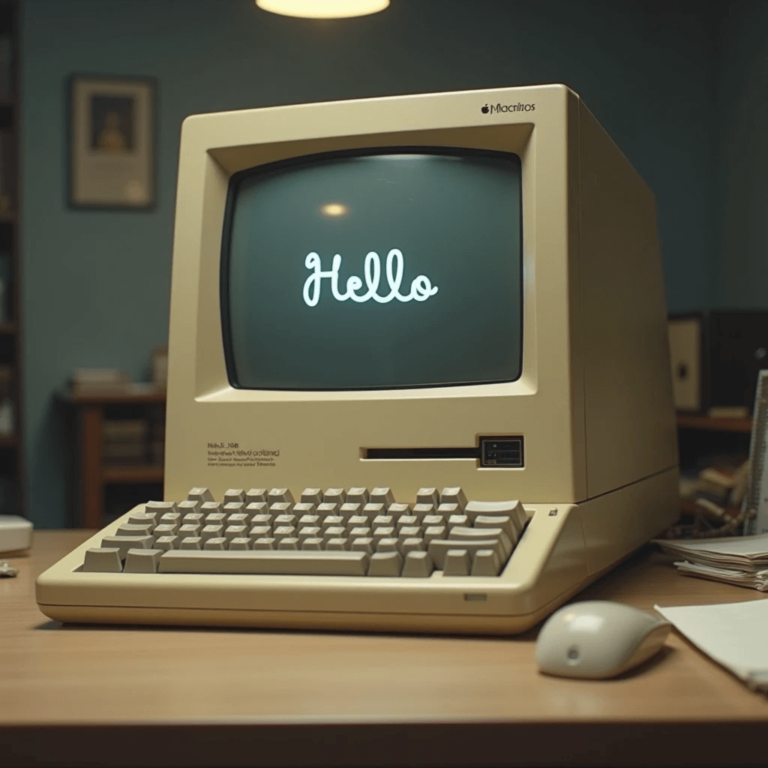
The IBM PC revolutionized the computing industry by setting a new standard for personal computers. It competed head-to-head with other systems, notably Apple’s Macintosh, as well as platforms from Commodore and Atari. Despite fierce competition, the IBM PC’s design quickly became one of the most popular computer standards worldwide. Its open architecture allowed for widespread adoption and encouraged an entire ecosystem of compatible hardware and software, giving it a decisive edge in the market.
Long-Term Legacy
The launch of the IBM PC not only transformed the way businesses and consumers interacted with technology but also set a precedent for future innovations. It spurred the growth of the PC industry and inspired the development of numerous compatible clones, effectively shaping the landscape of personal computing for decades. The influence of the IBM PC is evident in its lasting impact on both hardware design and software development, as well as in its role as a catalyst for advancements in computing technology. For more details on how these innovations unfolded, refer to Intel’s History of the IBM PC.
Conclusion
Recap of the Event
The launch of the IBM Personal Computer 5150 on August 12, 1981 was a landmark moment in technology. With its advanced specifications, innovative design, and creative marketing, the IBM PC not only redefined business computing but also paved the way for the modern digital age. Its debut sparked a revolution in both consumer and enterprise technology, setting new standards that continue to influence the industry.
Reflection on Significance
Reflecting on the impact of this event, it’s clear that the IBM PC served as a catalyst for technological innovation and global computing evolution. Its introduction revolutionized how we work, communicate, and access information, leaving an enduring legacy that still resonates today. The transformative power of the IBM PC underscores the importance of embracing innovation and adapting to new technological paradigms.
Call to Action
We invite you to share your thoughts and experiences on how the IBM PC has influenced your life and the tech industry. Please leave your comments below and join the discussion on the lasting impact of this landmark event in computing history.