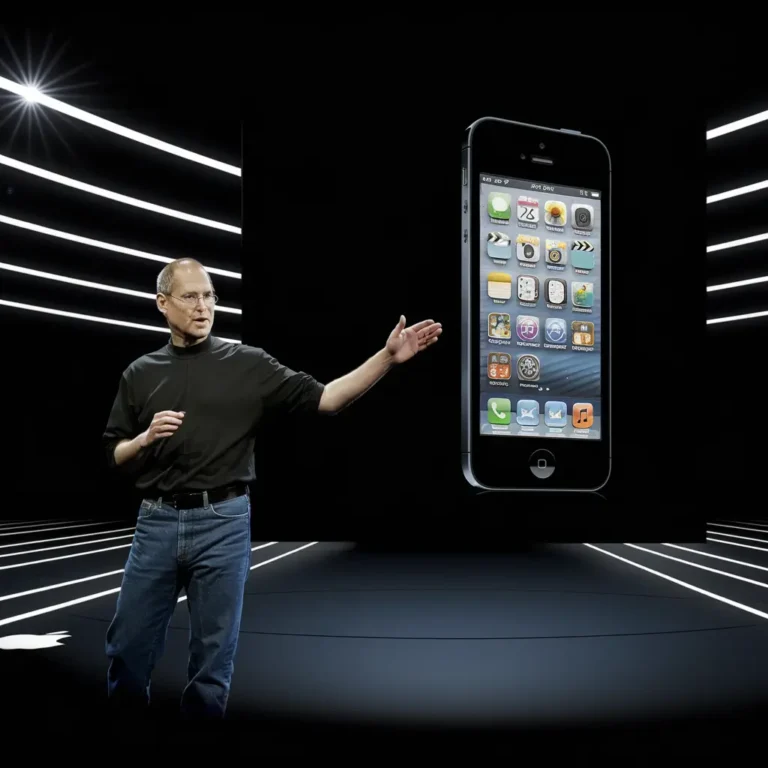

🖥️ January 24, 1984 – a date that would forever change the landscape of personal computing. On this day, Apple unleashed its revolutionary Macintosh computer, sending shockwaves through the tech industry and igniting a digital revolution that continues to shape our world today.
Imagine a time when computers were clunky, intimidating machines reserved for tech experts and large corporations. The Macintosh burst onto the scene, challenging this status quo with its sleek design and user-friendly interface. It wasn’t just a computer; it was a declaration of independence for the everyday user, promising to put the power of technology into the hands of the masses.
As we delve into the fascinating journey of the Macintosh, we’ll explore its birth, the seismic impact it had on personal computing, and the groundbreaking technical innovations it introduced. We’ll also uncover its profound cultural significance and trace its enduring legacy through the evolution of Apple’s iconic products. Buckle up for a trip down memory lane that will reveal how a single machine changed the way we interact with technology forever! 🚀
The Birth of the Macintosh
Steve Jobs’ vision for personal computing
Steve Jobs envisioned a computer that was not just a tool for businesses but an accessible device for everyone. His goal was to create a user-friendly machine that could revolutionize personal computing. Jobs aimed to develop a computer that was intuitive, easy to use, and aesthetically pleasing.
Key aspects of Jobs’ vision:
- Graphical User Interface (GUI)
- Mouse-driven interaction
- All-in-one design
- User-friendly experience
Development timeline and key milestones
The development of the Macintosh was a journey filled with innovation and challenges. Here’s a brief timeline of key milestones:
| Year | Milestone |
|---|---|
| 1979 | Jef Raskin initiates the Macintosh project |
| 1981 | Steve Jobs takes over the project |
| 1983 | Lisa computer released, precursor to Macintosh |
| 1984 | Macintosh unveiled and goes on sale |
Revolutionary features of the original Macintosh
The original Macintosh introduced several groundbreaking features that set it apart from other computers of its time:
- Graphical User Interface (GUI)
- Built-in display
- 3.5-inch floppy disk drive
- All-in-one design
- MacWrite and MacPaint software
The iconic “1984” Super Bowl commercial
Apple’s “1984” Super Bowl commercial, directed by Ridley Scott, became one of the most famous advertisements in history. The commercial portrayed the Macintosh as a tool for individual empowerment, breaking free from conformity. It aired only once during the Super Bowl but left a lasting impact on popular culture and advertising.
Now that we’ve explored the birth of the Macintosh, let’s examine its profound impact on personal computing.
Impact on Personal Computing
User-friendly graphical interface
The Apple Macintosh’s revolutionary graphical user interface (GUI) transformed personal computing. Unlike previous text-based systems, the Macintosh presented a visual desktop metaphor with icons, windows, and menus. This intuitive design allowed users to interact with their computers in a more natural and less intimidating way.
Key features of the Macintosh GUI:
- Desktop metaphor
- Point-and-click interaction
- Pull-down menus
- Overlapping windows
- WYSIWYG (What You See Is What You Get) display
| Feature | Advantage |
|---|---|
| Icons | Easy identification of files and applications |
| Windows | Multitasking and organized workspace |
| Menus | Quick access to commands and functions |
Introduction of the mouse as a standard input device
The Macintosh popularized the mouse as the primary input device, revolutionizing how users interacted with computers. This shift from keyboard-only input to point-and-click functionality made computing more accessible and efficient.
Desktop publishing revolution
The Macintosh’s combination of GUI, high-resolution display, and laser printing capabilities sparked the desktop publishing revolution. It empowered individuals and small businesses to create professional-looking documents, newsletters, and marketing materials without the need for expensive typesetting equipment.
Accessibility for non-technical users
By simplifying complex computing tasks through its user-friendly interface, the Macintosh opened up personal computing to a broader audience. Non-technical users could now perform tasks that previously required specialized knowledge, democratizing access to technology and information.
The Macintosh’s impact on personal computing was profound, setting new standards for user interface design and accessibility. These innovations laid the foundation for modern computing experiences and continue to influence technology development today.
Technical Innovations
Compact all-in-one design
The Macintosh’s compact all-in-one design was a game-changer in personal computing. Unlike its predecessors, it integrated the monitor, CPU, and keyboard into a single, sleek unit. This innovative approach not only saved desk space but also made the computer more accessible and user-friendly.
| Feature | Benefit |
|---|---|
| Integrated monitor | Reduced cable clutter |
| Built-in handle | Enhanced portability |
| Compact footprint | Saved desk space |
QuickDraw graphics engine
At the heart of the Macintosh’s revolutionary graphical user interface (GUI) was the QuickDraw graphics engine. This powerful software allowed for:
- Rapid rendering of on-screen graphics
- Smooth animation capabilities
- Efficient handling of multiple windows
QuickDraw’s performance was crucial in delivering the Macintosh’s intuitive user experience, setting it apart from text-based interfaces of the time.
Built-in networking capabilities
The Macintosh introduced built-in networking capabilities, a forward-thinking feature that would become increasingly important in the digital age. Apple’s proprietary LocalTalk allowed Macs to connect easily, facilitating:
- File sharing between computers
- Shared access to printers
- Basic collaboration features
This networking prowess laid the groundwork for future advancements in computer connectivity and communication.
Pioneering software applications
The Macintosh launched with a suite of groundbreaking software applications that showcased its capabilities:
- MacPaint: A bitmap-based drawing program
- MacWrite: A WYSIWYG word processor
- MacProject: A project management tool
These applications demonstrated the Macintosh’s potential for both creative and professional tasks, setting new standards for software design and functionality. Their intuitive interfaces and powerful features helped establish the Macintosh as a versatile tool for various industries.
Cultural Significance
Apple’s brand identity and loyal following
The launch of the Macintosh in 1984 marked a pivotal moment in establishing Apple’s brand identity and cultivating a fiercely loyal customer base. The innovative computer, coupled with Apple’s groundbreaking “1984” commercial, set the stage for the company’s reputation as a revolutionary force in technology.
| Aspect | Impact on Apple’s Brand |
|---|---|
| Design | Sleek, user-friendly aesthetic |
| Innovation | Pioneering graphical user interface |
| Marketing | Iconic “1984” Super Bowl commercial |
| User Experience | Intuitive and accessible computing |
This combination of factors created a unique brand identity that resonated with consumers, fostering a devoted following that would come to be known as “Apple fanboys” or “Mac enthusiasts.” The Macintosh’s success laid the foundation for Apple’s future as a premium technology brand.
Influence on popular culture and media
The Macintosh’s impact extended far beyond the realm of technology, leaving an indelible mark on popular culture and media. Its influence can be seen in various areas:
- Film and television: The Macintosh became a symbol of cutting-edge technology in movies and TV shows
- Advertising: Apple’s “1984” commercial set new standards for marketing campaigns
- Design: The Macintosh’s aesthetic influenced product design across industries
- Music: Its sound capabilities revolutionized digital music production
Macintosh in education and creative industries
The Macintosh quickly found a home in educational institutions and creative industries, transforming how people learned and worked. Its user-friendly interface and powerful capabilities made it an ideal tool for:
- Graphic design and desktop publishing
- Music production and digital audio workstations
- Video editing and animation
- Educational software and interactive learning
By providing accessible tools for creativity and learning, the Macintosh empowered a new generation of artists, designers, and educators, fundamentally changing these industries and paving the way for the digital revolution in creative fields.
Legacy and Evolution
Subsequent Macintosh models and improvements
The original Macintosh paved the way for numerous iterations and improvements over the years. Apple continuously refined its product line, introducing models that catered to different user needs and technological advancements.
| Year | Notable Macintosh Models | Key Improvements |
|---|---|---|
| 1985 | Macintosh 512K | Increased memory |
| 1987 | Macintosh SE | Internal hard drive |
| 1989 | Macintosh Portable | First battery-powered Mac |
| 1991 | PowerBook series | Revolutionary laptop design |
| 1998 | iMac G3 | All-in-one design, USB ports |
Transition to PowerPC and Intel processors
Apple’s processor evolution marked significant milestones in the Macintosh journey:
- 1994: Introduction of PowerPC processors
- 2005: Announcement of transition to Intel processors
- 2006: First Intel-based Macs released
- 2020: Transition to Apple Silicon begins
Integration with mobile devices and cloud services
As technology progressed, Macintosh computers became part of a larger ecosystem:
- Introduction of iCloud in 2011
- Continuity features allowing seamless integration with iOS devices
- Handoff functionality for starting tasks on one device and finishing on another
- AirDrop for easy file sharing between Macs and iOS devices
Continued focus on user experience and design
Apple’s commitment to user-centric design remained constant throughout the Macintosh evolution:
- Intuitive operating systems (System 1 to macOS)
- Sleek hardware designs (from bulky CRTs to ultra-thin MacBook Air)
- Accessibility features for users with disabilities
- Integration of touchpad gestures and Force Touch technology
The Macintosh legacy continues to shape personal computing, with Apple’s focus on innovation, design, and user experience driving the industry forward.
Conclusion
The Apple Macintosh’s debut in 1984 marked a turning point in personal computing history. Its user-friendly interface, innovative mouse, and groundbreaking graphical user interface revolutionized how people interacted with computers. The Macintosh’s impact extended far beyond its technical specifications, influencing design, creativity, and digital culture for decades to come.
As we reflect on the Macintosh’s legacy, it’s clear that its spirit of innovation continues to shape the technology landscape. From its humble beginnings to today’s powerful Mac devices, Apple’s commitment to user-centric design and cutting-edge technology remains unwavering. The Macintosh’s introduction wasn’t just a product launch; it was the beginning of a new era in computing that continues to inspire and empower users worldwide.