Physical Address
304 North Cardinal St.
Dorchester Center, MA 02124
Physical Address
304 North Cardinal St.
Dorchester Center, MA 02124
Discover the rich and complex narrative of American history, from its indigenous cultures and colonial origins to major events that shaped the nation.

On January 20, 1986, Martin Luther King Jr. Day was celebrated as a federal holiday for the first time, marking a significant moment in U.S. history. This day honors the life and legacy of Dr. Martin Luther King Jr., the iconic leader of the Civil Rights Movement, whose work transformed America’s societal landscape.

On January 17, 1706, one of America’s most influential Founding Fathers, Benjamin Franklin, was born in Boston, Massachusetts. As the 15th of 17 children in a modest family, Franklin’s upbringing shaped his drive for self-education and innovation. Despite limited formal schooling, he became a prolific writer, scientist, diplomat, and inventor, leaving an indelible mark on American history.

On January 15, 1943, the Pentagon, an architectural and military marvel, officially opened its doors in Arlington, Virginia. Designed to serve as the headquarters of the United States Department of Defense, the Pentagon remains the world's largest office building, both in floor space and historical significance.

On January 8, 1835, the United States reached an unprecedented milestone: the national debt was paid down to zero. This remarkable achievement remains the only time in American history that the country has been free of national debt. The feat was largely credited to the policies of President Andrew Jackson, whose financial strategies reshaped the nation’s economy during his presidency.

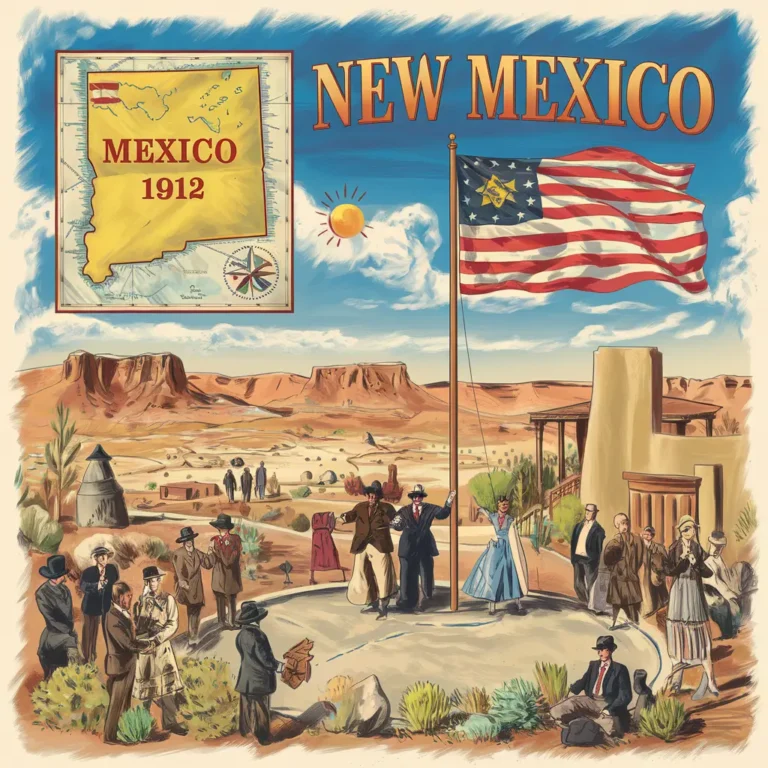
On January 6, 1912, New Mexico officially became the 47th state of the United States, marking a significant milestone in the expansion of the nation. Located in the heart of the American Southwest, New Mexico brought its rich cultural heritage, diverse landscapes, and historical significance to the Union.

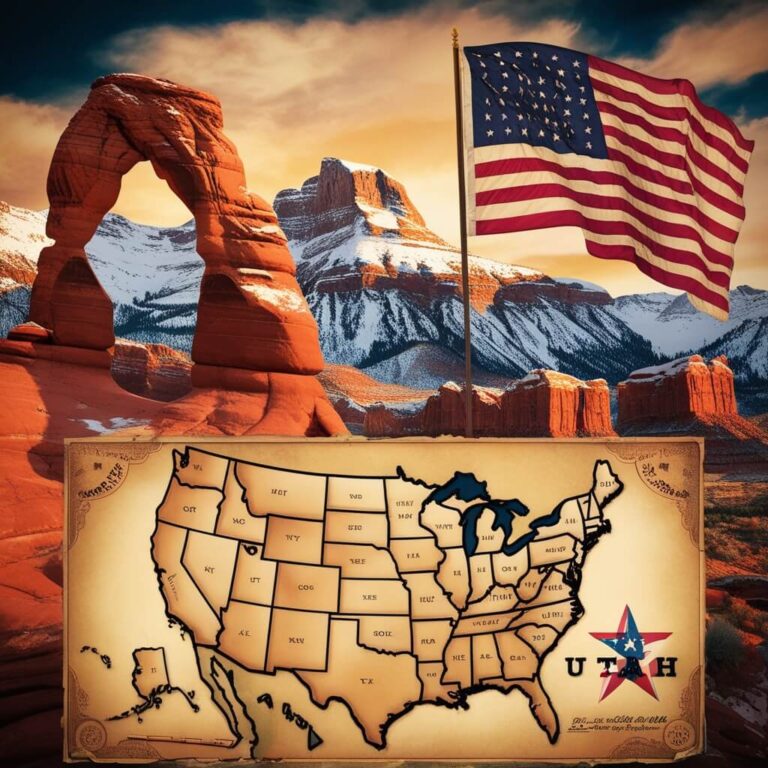
On January 4, 1896, Utah officially became the 45th state of the United States, marking the culmination of decades of struggle, compromise, and determination. This monumental event not only expanded the nation's geography but also enriched its cultural and economic fabric.

On January 2, 1788, Georgia proudly became the 4th state to ratify the U.S. Constitution, solidifying its place in the early formation of the United States of America. This pivotal moment not only defined Georgia’s role in American history but also strengthened the young nation’s foundation as it worked toward unity and governance.

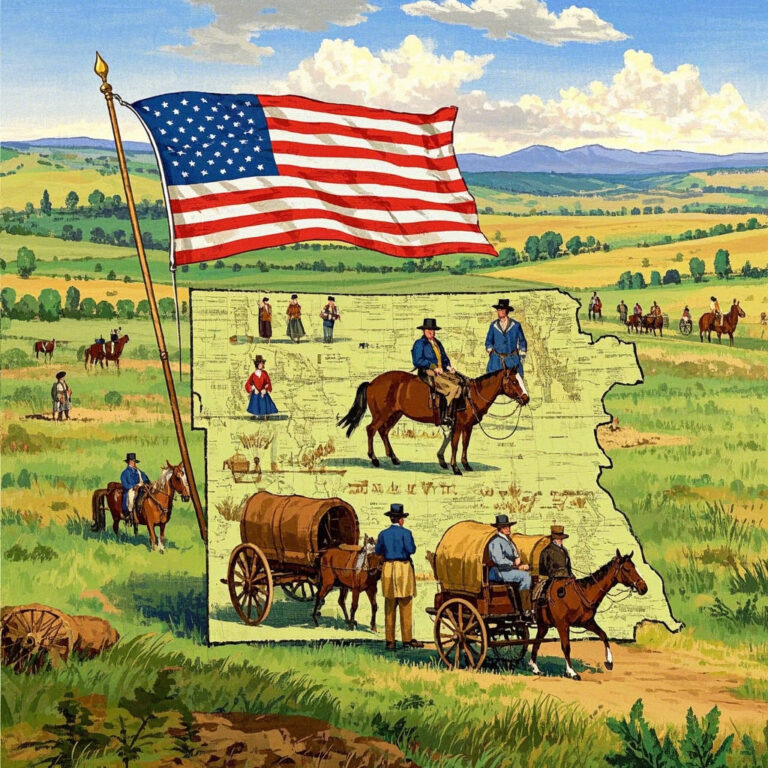
On December 28, 1846, Iowa officially became the 29th state of the United States, marking a significant moment in American history. The state's admission represented a step forward in the westward expansion of the nation during the 19th century. Its statehood was the culmination of years of settlement, negotiation, and legislation that defined the United States’ growth.

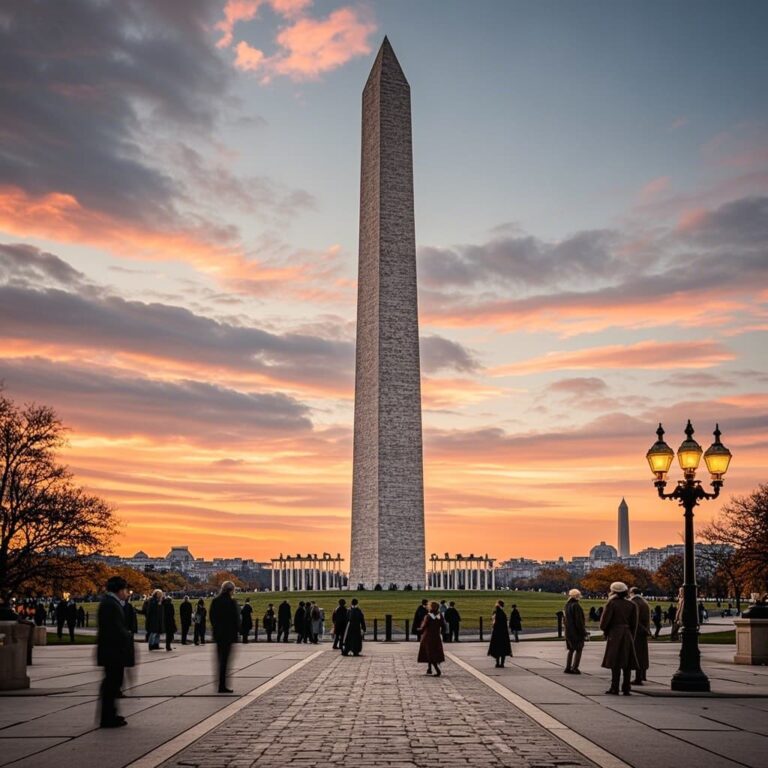
On December 6, 1884, the Washington Monument, a towering symbol of American resilience, was finally completed after decades of planning and construction. Standing tall in Washington, D.C., this iconic structure honors the legacy of George Washington, the nation's first president, and reflects the enduring spirit of the American people.

On December 3, 1818, Illinois officially became the 21st state of the United States. This pivotal moment marked the expansion of the young nation into the Midwest, solidifying Illinois as a cornerstone of American growth and development. Known as the "Prairie State," Illinois would go on to become a vital contributor to the country’s agricultural, industrial, and cultural evolution.