Category U.S. History

Discover the rich and complex narrative of American history, from its indigenous cultures and colonial origins to major events that shaped the nation.

The Historic Dedication of the Statue of Liberty on October 28, 1886

statue-liberty

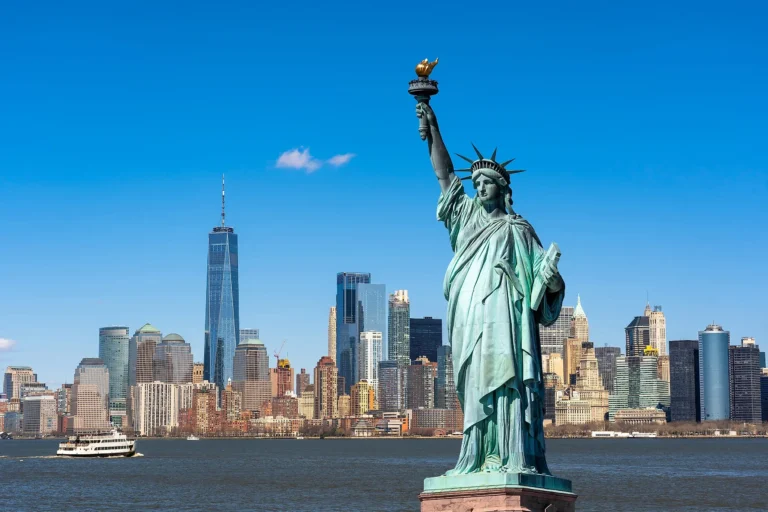
On October 28, 1886, one of the most iconic symbols of the United States was officially dedicated — the Statue of Liberty. This towering monument, a gift from France, symbolizes freedom, democracy, and the friendship between the two nations. Standing proudly on Liberty Island in New York Harbor, the statue has become a beacon of hope and a symbol of the American ideals of liberty and justice for all.

First New York City Subway Line Opened on October 27, 1904: A Transit Revolution

first-new-york-city-subway-line

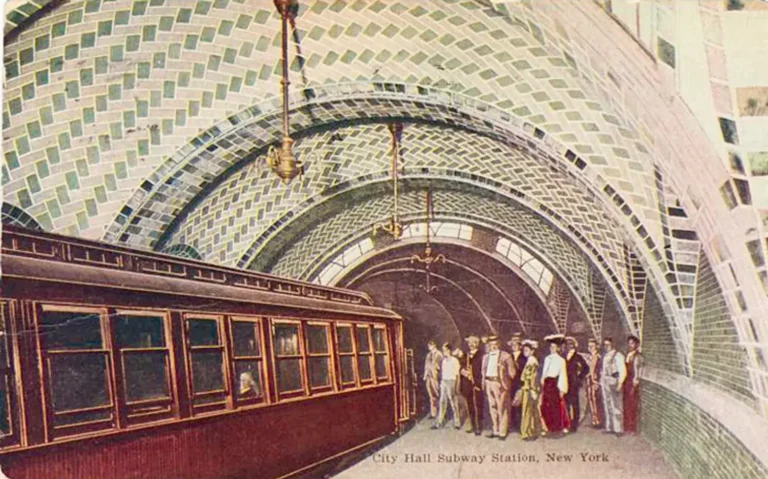
On October 27, 1904, the First New York City Subway Line officially opened, marking a revolutionary moment in urban transport. The introduction of this rapid transit system transformed the way New Yorkers commuted and changed the urban landscape forever. Connecting City Hall to 145th Street in Harlem, the subway line made transportation faster, more efficient, and accessible to millions.

The Grand Opening of the Metropolitan Opera House: A New Era for New York’s Performing Arts

metropolitan-opera

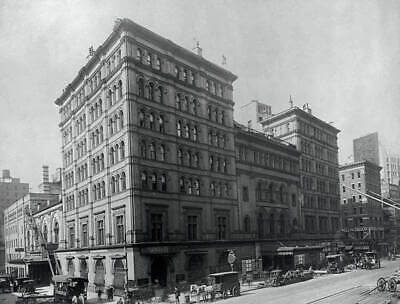
On October 22, 1883, the world of performing arts changed forever as the Metropolitan Opera House in New York City opened its doors to the public. This momentous event marked the beginning of an era where the grandeur of opera would be accessible to a broader American audience, elevating New York to a central hub for opera and the performing arts.

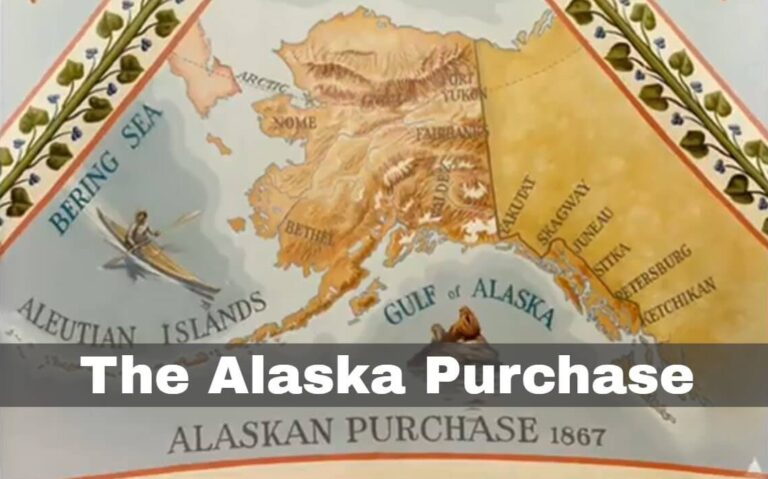
The Alaska Purchase: U.S. Officially Takes Possession of Alaska from Russia on October 18, 1867

alaska-purchase

On October 18, 1867, the United States formally took possession of Alaska, marking the completion of the Alaska Purchase from Russia. This significant event, often referred to as “Alaska Day,” reshaped the geographical and economic landscape of the U.S., adding over 586,000 square miles to its territory. The acquisition of Alaska, initially considered "Seward's Folly," proved to be one of the most valuable land purchases in American history, given the region's vast natural resources.

The Hoover Dam Dedication: Powering Las Vegas Since 1935

On September 30, 1935, the Hoover Dam was officially dedicated by President Franklin D. Roosevelt. This colossal infrastructure project, built along the Colorado River, was a symbol of American ingenuity and ambition during the Great Depression. To this day, the Hoover Dam remains one of the most significant engineering marvels of the 20th century, continuing to provide power to millions in the southwestern United States, including much of Las Vegas.

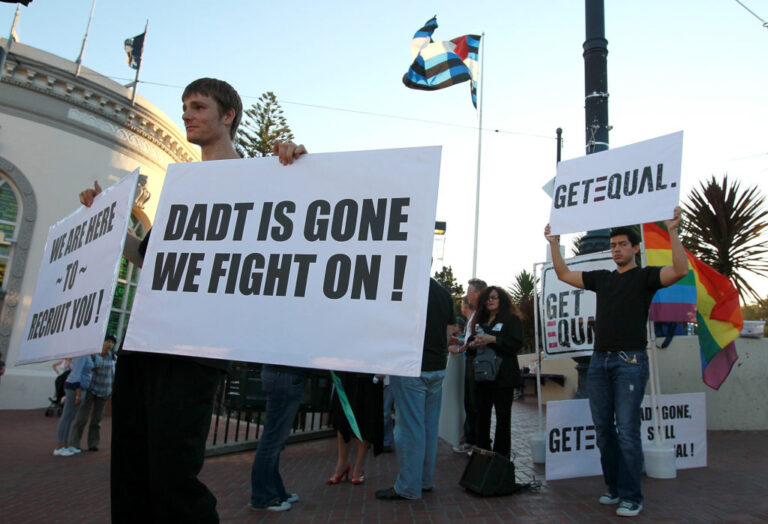
End of ‘Don’t Ask, Don’t Tell’: A Milestone for LGBTQ+ Rights in the US Military

End Of Military's Don't Ask Don't Tell Policy Celebrated In San Francisco

On September 20, 2011, a significant chapter in LGBTQ+ rights was written when the controversial policy known as “Don’t Ask, Don’t Tell” (DADT) was officially repealed. This policy, which had been in place for nearly two decades, prohibited openly gay, lesbian, and bisexual individuals from serving in the U.S. military. Its repeal marked a major victory for equality and inclusion in the armed forces, finally allowing LGBTQ+ individuals to serve without fear of discrimination or discharge.

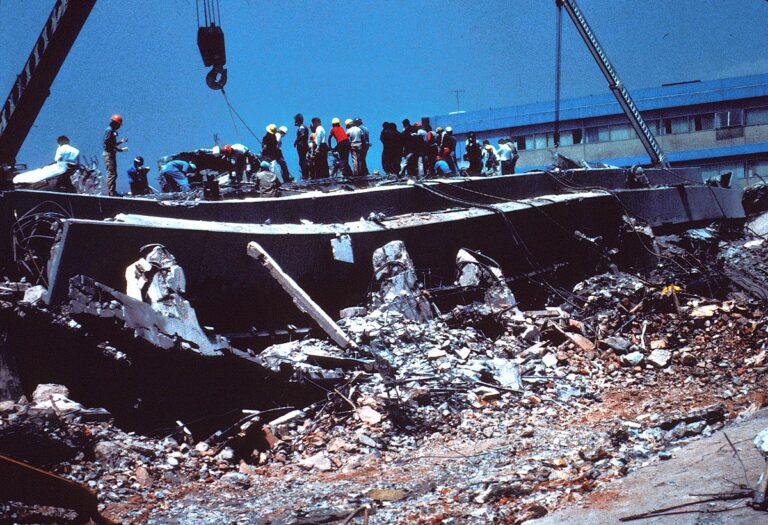
The 1985 Mexico City Earthquake: A Day of Devastation and Resilience

On September 19, 1985, Mexico City was rocked by a massive earthquake, one of the deadliest in the nation's history. With a magnitude of 8.1 on the Richter scale, the earthquake devastated the capital, causing widespread destruction and loss of life. The disaster not only shocked the nation but also revealed significant vulnerabilities in the city's infrastructure. This event remains etched in the memories of Mexicans, a stark reminder of nature's unpredictability.

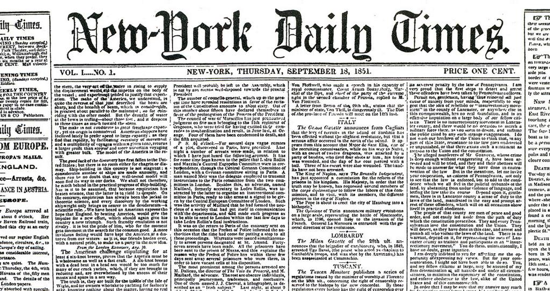
The Birth of The New York Times: Transforming Journalism Forever (1851)
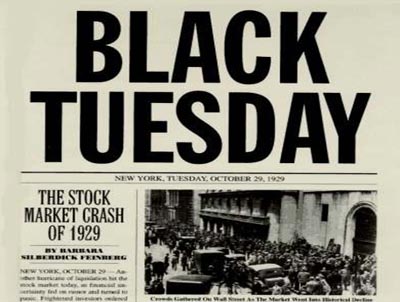
New York Times Newspaper

In September 1851, a groundbreaking event reshaped American journalism forever—the founding of The New York Times Newspaper. Established by journalist Henry Jarvis Raymond and banker George Jones, the paper set out to provide factual, objective, and well-researched news, steering away from the sensationalism common in the press at the time. What began as a small publication in New York City would soon grow to become one of the most influential newspapers in the world, known for its dedication to truth, accuracy, and journalistic integrity.