A Historic First for India
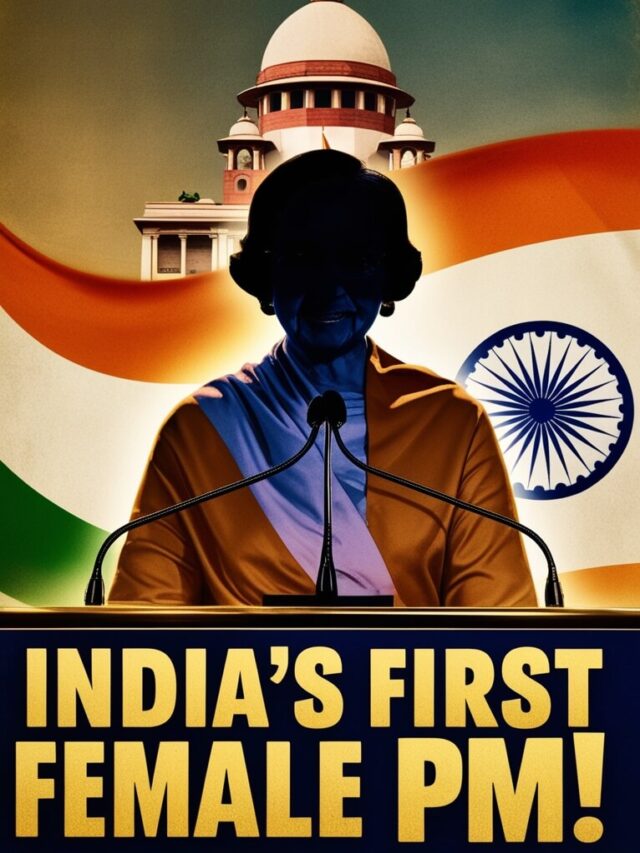
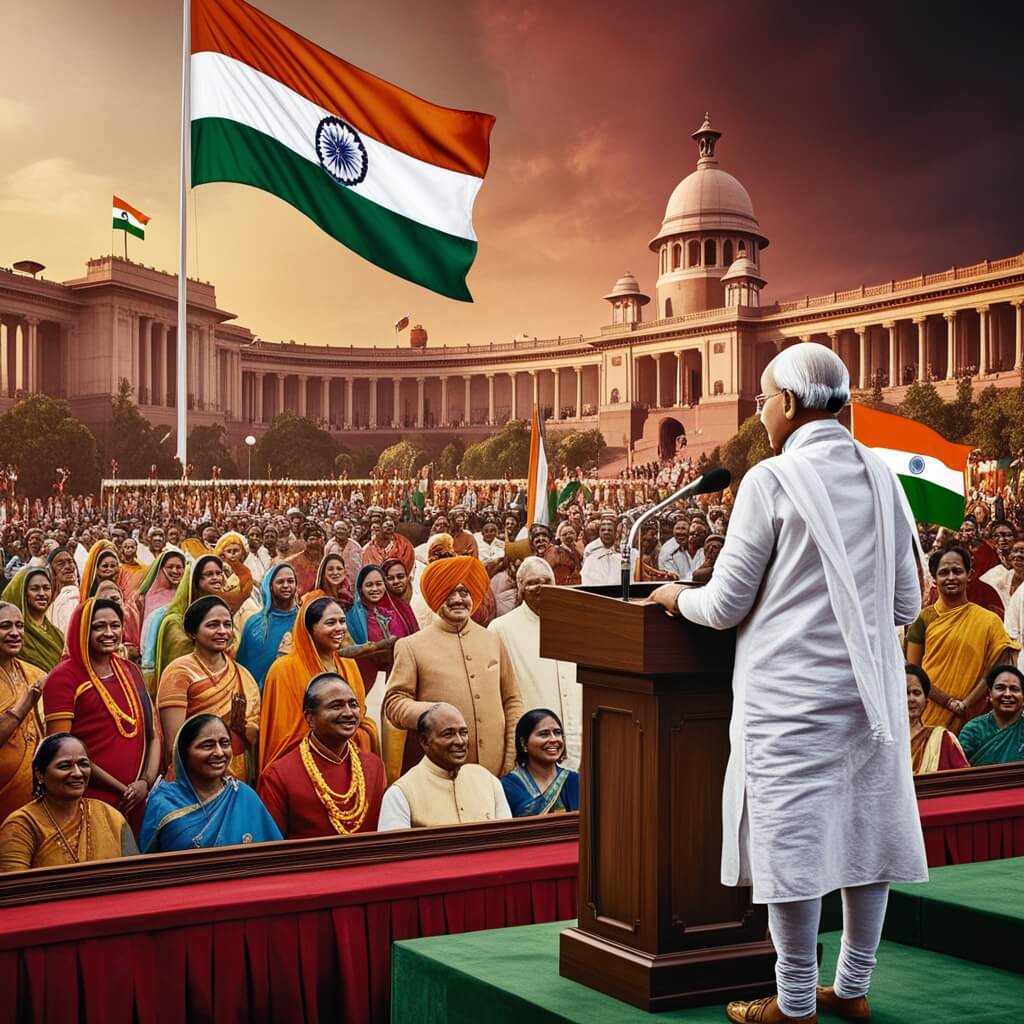
On January 19, 1966, Indira Gandhi made history by becoming the first female Prime Minister of India, a groundbreaking moment in the nation’s political landscape. Her election signified a monumental step for women in leadership, not only in India but also globally, as she emerged as a powerful figure in a male-dominated arena.
Early Life and Political Journey
Indira Gandhi, born on November 19, 1917, in Allahabad, India, was the daughter of Jawaharlal Nehru, India’s first Prime Minister. Her early exposure to politics and her father’s leadership played a pivotal role in shaping her political ambitions. After his death in 1964, she quickly rose through the ranks, becoming the Minister of Information and Broadcasting, where she demonstrated strong leadership qualities.
The Road to Prime Ministership
Following the sudden death of Prime Minister Lal Bahadur Shastri in 1966, a leadership vacuum emerged. The Indian National Congress, the ruling party at the time, elected Indira Gandhi as their leader. While many initially underestimated her, referring to her as a “goongi gudiya” (dumb doll), she soon proved her mettle by implementing decisive policies and asserting her authority.
Landmark Policies and Leadership
During her tenure, Indira Gandhi introduced significant reforms that shaped India’s future. These included the nationalization of banks, initiatives to reduce poverty, and a strong emphasis on self-reliance through the Green Revolution, which improved agricultural productivity. Her bold leadership during the 1971 India-Pakistan War solidified her reputation, leading to the creation of Bangladesh.
Challenges and Controversies
Indira Gandhi’s leadership was not without challenges. Her declaration of Emergency Rule from 1975 to 1977, which suspended civil liberties and censored the press, drew widespread criticism. Despite this, her resilience and ability to connect with the masses earned her enduring support.
A Lasting Legacy
Indira Gandhi’s tenure as Prime Minister redefined India’s political landscape and demonstrated the impact of women in leadership roles. Her influence extended beyond India, as she became a respected global leader. Even today, she is remembered as one of the most significant figures in modern Indian history.
Conclusion: A Trailblazer for Women
Indira Gandhi’s election as India’s first female Prime Minister on January 19, 1966, marked a transformative moment in history. Her journey exemplifies courage, determination, and the power of leadership, inspiring women worldwide to break barriers and pursue their ambitions.
FAQ : A Trailblazer for Women